

Nicola Freiberg Outback Lactation and Breastfeeding Support
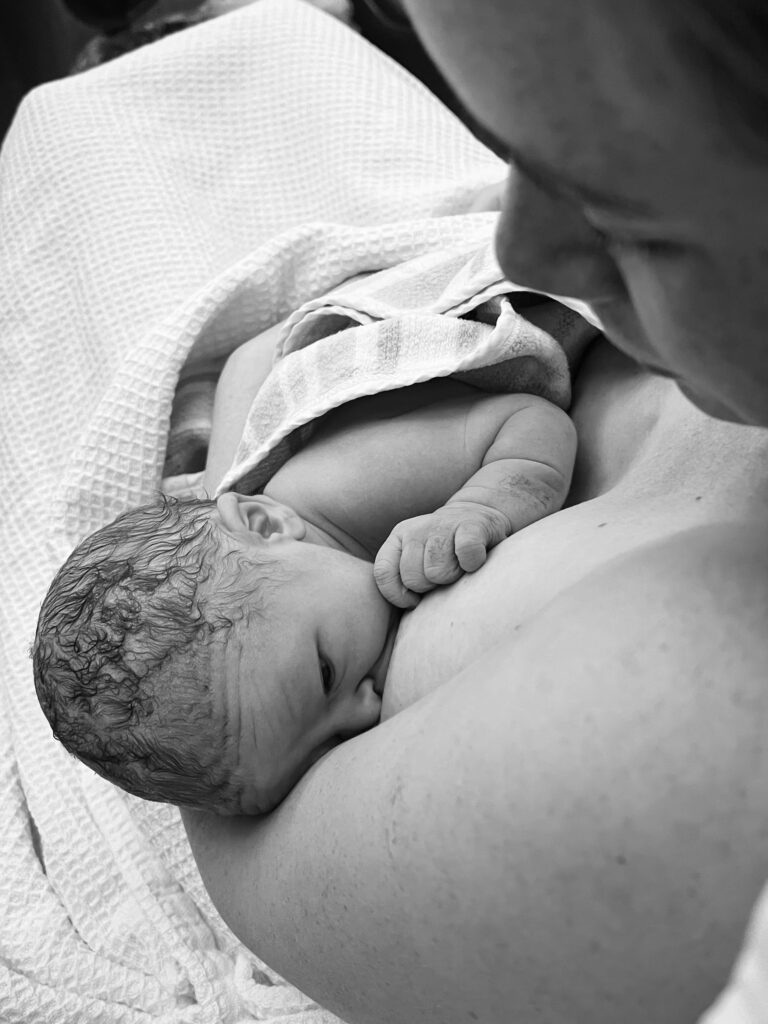
The first few weeks of breastfeeding can feel like both a beautiful bonding experience and an extreme endurance challenge. Between sleepless nights, tender nipples, and endless feeding sessions, it’s normal to wonder if you’re doing it right—or if it’s supposed to feel this hard. The truth? You’re not alone, and it does get easier.
Here’s your practical survival guide for navigating the first six weeks of breastfeeding.
Week 1: The Learning Curve
Those early days are all about finding your rhythm. Your baby is learning to latch; you’re learning how to hold, position, and read hunger cues. Be patient with both of you.
Survival tips:
Week 2–3: Finding Your Flow
Your milk supply is now coming in, and your baby’s feeding pattern is (slowly) becoming more predictable. You might feel more confident—or completely overwhelmed. Both are normal.
Survival tips:
Week 4: Fatigue Is Real
By now, you may be running on coffee and catnaps. Night feeds can feel endless, but your baby’s stomach is still tiny and needs frequent refills.
Survival tips:
Week 5–6: Hitting Your Stride
You might notice feeds getting shorter and your baby more efficient. You’re starting to understand each other’s cues. What once felt awkward is becoming second nature.
Survival tips:
Final Thoughts
The first six weeks of breastfeeding are often the hardest—but they also lay the foundation for a deeply rewarding connection. Be gentle with yourself. You’re learning, your baby’s learning, and perfection isn’t the goal—connection is. If you ever feel overwhelmed, reach out for help. Lactation consultants, local breastfeeding support groups, and other parents who’ve been there can offer encouragement and perspective. You’re doing an amazing job, mumma. One feed at a time.